AI線上課程推薦 AI Online Courses
AI 線上課程推薦AI ONLINE COURSES
精選清華磨課師 8 門(其中 7 門為 TAICA 聯盟課程)、FutureLearn 21 門 AI 線上課程,不限科系、依自己的步調修讀。依主題挑選,點圖片或課名前往課程。
A selection of 8 NTHU MOOCs (7 of them from the TAICA alliance) and 21 FutureLearn AI courses, open to all majors and self-paced. Browse by topic and click an image or title to go to the course.
AI入門
AI FUNDAMENTALS 3 門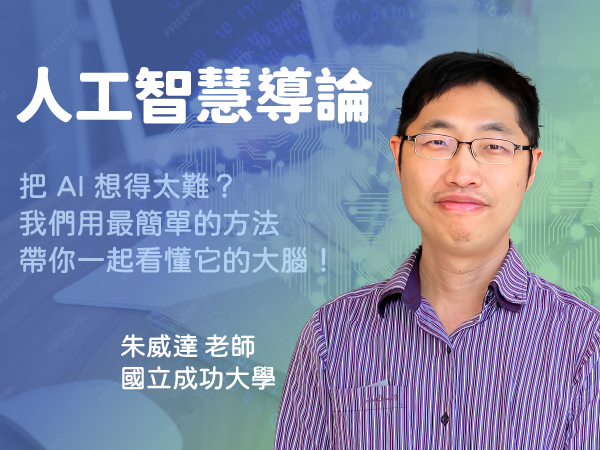 TAICA
TAICA-人工智慧導論
 Artificial Intelligence for Everyone
 Unleash Your Potential: AI Fundamentals
TAICA-人工智慧導論
清華磨課師 TAICA 課程,專為無 AI 背景的學習者設計,不需程式與數學基礎。以生活化例子介紹監督式學習、決策樹、SVM、kNN、集成學習、深度學習與 CNN、RNN 與非監督式學習,以及強化學習,幫助學習者建立理解 AI 的基本思考框架。
Designed for learners with no AI background; no programming or maths required. Uses everyday examples to introduce supervised learning, decision trees, SVM, kNN, ensemble learning, deep learning with CNNs and RNNs, unsupervised learning and reinforcement learning.
Artificial Intelligence for Everyone
馬來亞大學開設的 AI 通識入門課,專為初學者設計。八週內依序介紹機器學習與深度學習、自然語言處理、電腦視覺等核心技術及其真實應用,並討論公平、透明與隱私等倫理與治理議題,協助學習者建立 AI 基礎素養。
An eight-week introduction for beginners covering machine learning and deep learning, natural language processing and computer vision with real-world applications, plus ethics and governance issues such as fairness, transparency and privacy.
Unleash Your Potential: AI Fundamentals
布里斯托大學開設的 AI 基礎課,說明 AI 是什麼、如何運作、能做什麼,以及如何批判思考其社會影響。從醫療突破到創意工具,帶領學習者掌握 AI 核心概念,為面對 AI 改變生活與工作的未來做好準備。
Explains what AI is, how it works and what it can do, and how to think critically about its social impact, from medical breakthroughs to creative tools, preparing learners for a future in which AI changes life and work.
AI相關技術
AI TECHNOLOGIES 6 門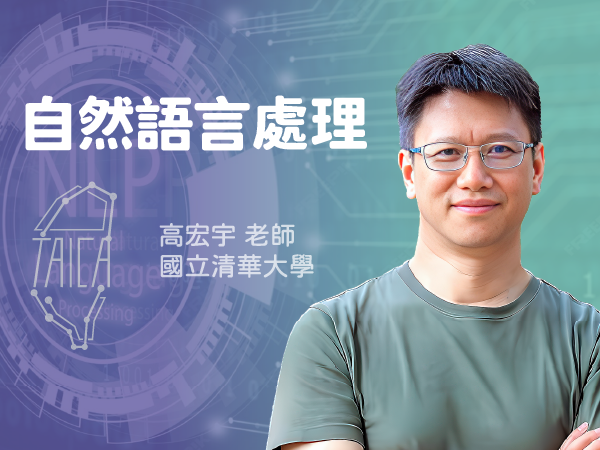 TAICA
TAICA-自然語言處理
 TAICA
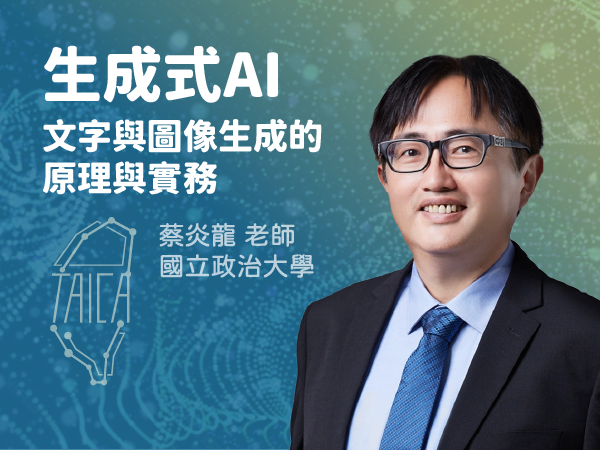
TAICA-生成式AI:文字與圖像生成的原理與實務
 TAICA
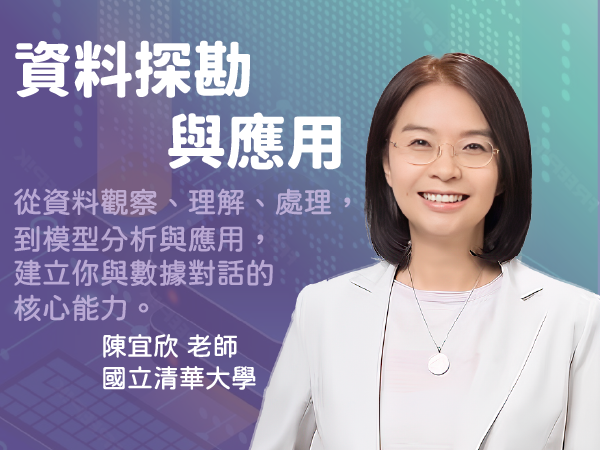
TAICA-資料探勘與應用
 清大製作 NTHU
Recommender Systems in Python
 Intelligent Systems: An Introduction to Deep Learning and Autonomous Systems
 Applications of AI Technology
TAICA-自然語言處理
清華磨課師 TAICA 課程,循自然語言處理(NLP)的演進理解大型語言模型的由來。從文字表示、N-gram、文字嵌入談起,經 RNN、Seq2Seq 與注意力機制、子詞切分(BPE、Unigram),到 Transformer 的自注意力、多頭注意力與位置編碼等完整架構。
Traces the evolution of NLP to explain where large language models come from: text representation, N-grams and word embeddings, RNNs, Seq2Seq and attention, subword tokenisation (BPE, Unigram), and the full Transformer architecture with self-attention, multi-head attention and positional encoding.
TAICA-生成式AI:文字與圖像生成的原理與實務
清華磨課師 TAICA 課程,兼具原理與實作的生成式 AI 課程。從神經網路、GAN 談到 RNN、Transformer 與大型語言模型,實作串接 OpenAI API 打造對話機器人與 RAG;第二部分介紹 VAE、CLIP、Diffusion Models、LoRA、ControlNet,並以 Fooocus 實作文字生圖及討論倫理議題。
Combines principles and practice: from neural networks and GANs to RNNs, Transformers and large language models, building a chatbot and RAG with the OpenAI API; the second part covers VAE, CLIP, diffusion models, LoRA and ControlNet, with text-to-image practice in Fooocus and a discussion of ethics.
TAICA-資料探勘與應用
清華磨課師 TAICA 課程,系統介紹資料探勘完整流程。內容涵蓋資料類型與品質、前處理、相似度衡量與資料探索、關聯規則、分群、分類,再延伸至文字探勘、語言模型的能力與幻覺及主題探勘。適合高中生與跨領域初學者建立資料思維。
A systematic introduction to the data-mining workflow: data types and quality, preprocessing, similarity and data exploration, association rules, clustering and classification, extending to text mining, the abilities and hallucinations of language models, and topic mining. Suitable for high-school students and beginners from any field.
Recommender Systems in Python
清華製作的推薦系統實作課,說明 Netflix、Spotify 等平台為何依賴推薦系統,並以 Python 從零建置。內容涵蓋協同過濾、內容過濾、TF-IDF、餘弦相似度、矩陣分解與線性迴歸,理解機器學習在推薦系統中的角色。適合具程式基礎的學習者。
Explains why platforms such as Netflix and Spotify rely on recommender systems, then builds one from scratch in Python: collaborative and content-based filtering, TF-IDF, cosine similarity, matrix factorisation and linear regression. For learners with programming experience.
Intelligent Systems: An Introduction to Deep Learning and Autonomous Systems
約克大學開設,介紹深度學習與自主系統的基礎理論與技術。課程說明機器學習如何讓電腦從資料中「自行寫程式」,涵蓋人臉辨識、自駕車、機器人等應用,並探討從偏誤資料學習、把安全交給難以解釋的系統等倫理問題。
Introduces the theory and techniques behind deep learning and autonomous systems, showing how machines learn to "write their own programs" from data, with applications in face recognition, self-driving cars and robotics, and the ethics of learning from biased data and trusting systems that are hard to explain.
Applications of AI Technology
臺北醫學大學與北大、北科大、海洋大學教師合開,四週介紹 AI 在四個領域的應用:智慧系統(類神經網路、基因演算法、粒子群最佳化)、以深度強化學習訓練自駕車與無人機、AI 輔助永續漁業管理,以及以 MRI 影像分析輔助神經疾病診斷。建議具備 AI 演算法基礎。
Developed by Taipei Medical University with educators from National Taipei University, Taipei Tech and National Taiwan Ocean University. Over four weeks it covers intelligent systems (neural networks, genetic algorithms, particle swarm optimisation), deep reinforcement learning for autonomous vehicles and drones, AI for sustainable fisheries management, and AI analysis of MRI images for neurological disorders. Some prior knowledge of AI algorithms is recommended.
AI倫理、法律與社會
AI ETHICS, LAW & SOCIETY 7 門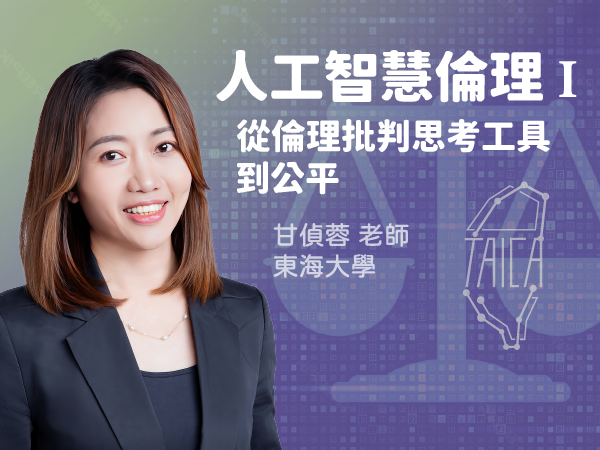 TAICA
TAICA-人工智慧倫理 I :倫理批判思考工具到公平
 TAICA
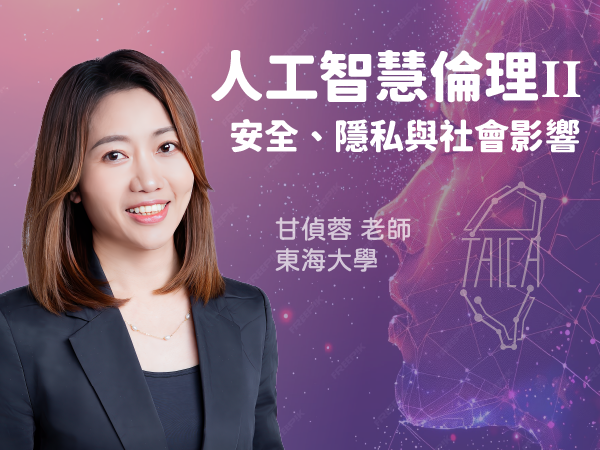
TAICA-人工智慧倫理 II :安全、隱私與社會影響
 清大製作 NTHU
AI Ethics, Law, and Policy
 AI for Legal Professionals (I): Law and Policy
 AI For Lawyers (II): Tools for Legal Professionals
 AI Ethics, Inclusion & Society
 Justice, Fundamental Rights and Artificial Intelligence
TAICA-人工智慧倫理 I :倫理批判思考工具到公平
清華磨課師 TAICA 課程,從哲學角度切入的 AI 倫理入門課。內容涵蓋倫理與法律的區分、倫理批判思考工具、結果主義/義務論/德行倫理等基本理論、AI 倫理常見議題與風險治理框架,以及 AI 偏誤與公平問題,培養 AI 時代的思辨能力。
A philosophy-based introduction to AI ethics: the difference between ethics and law, tools for ethical critical thinking, consequentialism, deontology and virtue ethics, common AI ethics issues and risk-governance frameworks, and AI bias and fairness.
TAICA-人工智慧倫理 II :安全、隱私與社會影響
清華磨課師 TAICA 課程,接續 AI 倫理 I 的進階課程。探討 AI 傷害的責任歸屬、安全(safety)與資安(security)的差異、隱私風險、倫理原則落地實作的鴻溝,以及生成式 AI 的學術倫理、著作權、聊天機器人情感操控與能源問題。
Continues AI Ethics I: responsibility for AI harms, safety versus security, privacy risks, the gap between ethical principles and practice, and generative-AI issues such as academic integrity, copyright, emotional manipulation by chatbots and energy use.
AI Ethics, Law, and Policy
清華科法所林勤富教授開設,探討 AI 革命帶來的法律、倫理與政策議題。課程比較 AI 與人類的差異,分析既有法律框架,並以自動駕駛事故與倫理兩難、刑事司法中的演算法偏誤為案例,認識相關治理與法規。適合法律、工程與社會科學背景學習者。
Taught by Prof. Ching-Fu Lin (NTHU Institute of Law for Science and Technology). Compares AI with humans, analyses existing legal frameworks, and uses cases such as autonomous-vehicle accidents and algorithmic bias in criminal justice to explore AI governance and regulation.
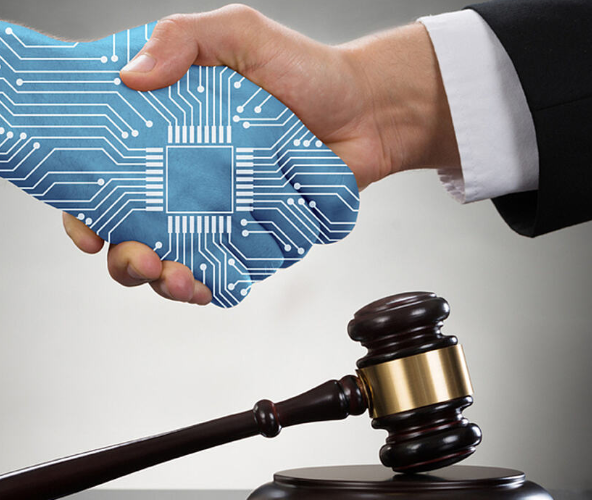
AI for Legal Professionals (I): Law and Policy
陽明交大法學院開設的 AI 法律入門課,從自駕車到 ChatGPT 等案例,探討 AI 帶來的法律、監理、倫理與人權挑戰。涵蓋合規、隱私、治理、演算法偏誤、透明度,以及 AI 對司法與法律實務的影響。適合律師、法律教育者、監理人員及關心 AI 政策者。
From self-driving cars to ChatGPT, explores the legal, regulatory, ethical and human-rights challenges raised by AI, including compliance, privacy, governance, algorithmic bias, transparency, and the impact of AI on the courts and legal practice. For lawyers, legal educators, regulators and anyone interested in AI policy.
AI For Lawyers (II): Tools for Legal Professionals
陽明交大法學院開設,接續 AI for Legal Professionals (I),聚焦法律專業可運用的 AI 工具。學習 Python 與協作開發工具,並認識 Scikit-learn、TensorFlow 等機器學習工具,應用於法律資料探勘、資訊擷取、自然語言處理與法律推理的計算建模。
Follows Part I and focuses on AI tools for legal professionals. Learners pick up Python and collaborative development tools and meet machine-learning libraries such as scikit-learn and TensorFlow, applied to legal data mining, information extraction, natural language processing and legal reasoning.
AI Ethics, Inclusion & Society
格拉斯哥大學開設,批判檢視 AI 發展與部署中的倫理問題,聚焦社會正義、包容與永續。課程介紹描述倫理、規範倫理與德行倫理等框架並應用於 AI 設計,探討數位落差、資料偏誤、環境影響與全球 AI 治理。不需先備知識,適合所有成人學習者。
Critically examines ethical issues in the development and deployment of AI, with a focus on social justice, inclusion and sustainability. Applies descriptive, normative and virtue ethics to AI design and discusses the digital divide, data bias, environmental impact and global AI governance. No prior knowledge needed.
Justice, Fundamental Rights and Artificial Intelligence
格羅寧根大學法學院開設,探討自動化決策對司法裁判與基本權利的影響。課程提供 AI 概論與歐盟法律工具的討論,透過案例與法律分析辨識偏誤、透明度不足與問責等反覆出現的挑戰。適合法律專業人士。
Examines how automated decision-making affects judicial decisions and fundamental rights. Combines an introduction to AI with EU legal instruments, using cases and legal analysis to identify recurring problems of bias, lack of transparency and accountability. For legal professionals.
AI醫療
AI IN HEALTHCARE 7 門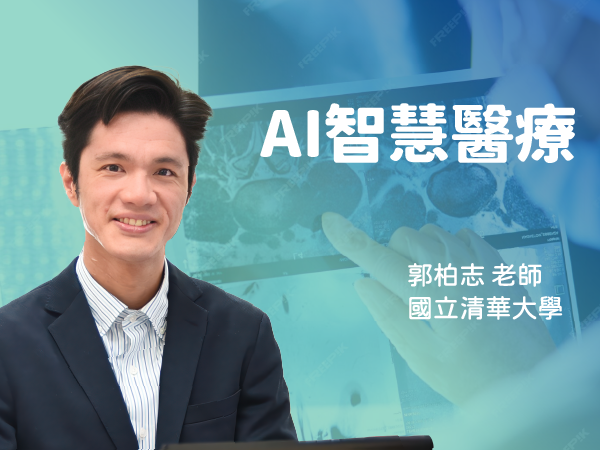 TAICA
院特色課程-AI智慧醫療
 Artificial Intelligence for Healthcare
 How Artificial Intelligence Can Support Healthcare
 Multimodal Large Language Models for Healthcare
 Artificial Intelligence in Bioinformatics
 AI and Bioinformatics: Genomic Data Analysis
 Introduction to AI Applications in Pulmonary Medicine
院特色課程-AI智慧醫療
清華磨課師院特色課程,為非資工、非醫學背景學生設計的 AI 智慧醫療通識課。五週依序介紹 AI 與醫療系統、數位醫療與影像標註、機器學習建置、智慧醫療應用與可信任 AI,透過實際案例操作,並反思 AI 進入醫院可能產生的隱憂。
A general-education course for students outside computer science and medicine. Over five weeks it covers AI and healthcare systems, digital health and image annotation, building machine-learning models, smart-healthcare applications and trustworthy AI, with hands-on cases and reflection on the concerns AI raises in hospitals.
Artificial Intelligence for Healthcare
馬來亞大學醫學院開設,探討 AI 如何使醫療走向資料驅動。內容涵蓋 AI 在診斷、個人化醫療、機器人手術與公共衛生的應用,並著重資料隱私、偏誤、法規遵循等倫理挑戰,以及 AI 導入醫療的心理層面影響。適合醫療相關科系學生與從業人員。
Shows how AI is making healthcare data-driven: diagnosis, personalised medicine, robotic surgery and public health, with attention to privacy, bias, regulatory compliance and the psychological side of adopting AI. For healthcare students and professionals.
How Artificial Intelligence Can Support Healthcare
格羅寧根大學開設,介紹 AI 在醫療中的真實應用與影響。由醫療 AI 領域專家帶領,建立對 AI 醫療關鍵領域的理解,學習以務實的角度參與 AI 醫療潛力的討論,並思考如何將 AI 導入自身的臨床或工作流程。
Led by experts in medical AI, introduces real applications and impacts of AI in healthcare, helps learners discuss its potential realistically, and asks how AI could be brought into their own clinical or work processes.
Multimodal Large Language Models for Healthcare
格拉斯哥大學健康資訊與 AI 教授開設,探討多模態大型語言模型如何整合資訊、判讀影像、檢索知識,以及這些系統進入醫療場域時帶來的機會與風險,認識新一代醫療 AI 的能力與限制。
Explores how multimodal large language models integrate information, interpret images and retrieve knowledge, and the opportunities and risks they bring when they enter clinical settings.
Artificial Intelligence in Bioinformatics
臺北醫學大學醫學院人工智慧醫療碩士在職專班開設,介紹 AI、機器學習、深度學習與自然語言處理如何應用在生物資訊:從公開資料庫蒐集資料、以 Weka 建模分析,到基因定序、蛋白質功能預測與基因表現等研究案例,最後練習整理成可投稿的論文結果。不需 AI、生物資訊或程式基礎。
Offered by the Professional Master Program in AI in Medicine, Taipei Medical University. Introduces how AI, machine learning, deep learning and NLP are applied in bioinformatics: collecting data from public resources, modelling it with Weka, and research cases such as genome sequencing, protein function prediction and gene expression, ending with organising results for a publishable paper. No prior experience in AI, bioinformatics or programming needed.
AI and Bioinformatics: Genomic Data Analysis
〈Artificial Intelligence in Bioinformatics〉的續篇,建議先修。以藥物設計等實例說明 AI 如何改變生物資訊研究,並實際操作 Weka 蒐集與分析資料;介紹特徵學習與 CNN、RNN、自然語言處理等深度學習概念在基因定序、蛋白質功能預測上的應用,最後學習以研究流程圖與資料視覺化撰寫生物資訊論文。
A follow-on to Artificial Intelligence in Bioinformatics (recommended first). Uses cases such as drug design to show how AI is transforming bioinformatics, with hands-on data collection and analysis in Weka; covers feature learning and deep-learning concepts such as CNNs, RNNs and NLP applied to genome sequencing and protein function prediction, and ends with writing bioinformatics papers using research flowcharts and data visualisation.
Introduction to AI Applications in Pulmonary Medicine
臺北醫學大學呼吸治療學系開設,介紹 AI 在呼吸道疾病診斷、臨床照護與研究的應用:先談醫學倫理與 AI 的倫理議題,再看 AI 如何偵測氣胸與肺部病灶、以 AI 與物聯網穿戴裝置診斷睡眠呼吸中止與新冠後呼吸照護,以及 COPD 居家肺復健的智慧遠距照護。適合醫學生、醫療從業人員、研究者與照顧者。
Offered by the School of Respiratory Therapy, Taipei Medical University. Explores AI in the diagnosis, clinical management and research of respiratory diseases: medical ethics and the ethics of AI, AI detection of pneumothorax and lung lesions, AI and IoT wearables for sleep-disordered breathing and post-COVID respiratory care, and smart telemedicine for home-based pulmonary rehabilitation in COPD. For medical students, healthcare workers, researchers and caregivers.
AI商管
AI IN BUSINESS 3 門 清大製作 NTHU
Fundamentals of Digital Transformation and Data Analytics
 清大製作 NTHU
Data Science for Business Analytics: Introduction to Computing
 清大製作 NTHU
Applications of AI in Real Estate Finance and Investment
Fundamentals of Digital Transformation and Data Analytics
清華服務科學研究所許裴舫教授開設,介紹企業數位轉型與資料分析基礎。涵蓋數位轉型策略、供應鏈與顧客關係管理數位化、ERP 系統,並以 RapidMiner 實作資料探勘,討論數位轉型對工作設計與組織的影響。不需技術背景即可修讀。
Taught by Prof. Pei-Fang Hsu (NTHU Institute of Service Science). Covers digital transformation strategy, digitalised supply chain and customer relationship management, ERP systems, and hands-on data mining with RapidMiner, and discusses how digital transformation reshapes jobs and organisations. No technical background required.
Data Science for Business Analytics: Introduction to Computing
清華大學製作的三週資料科學入門課,為新南向計畫課程,由 Soumya Ray 授課。課程指出程式設計能從資料中挖掘出單純統計無法提供的洞見,透過互動式教材,帶領學習者運用程式進行計算統計(computational statistics),掌握統計與商業分析的實用概念。屬入門程度並具 CPD 認證,適合想踏入資料科學與商業分析領域的初學者。
A three-week introduction to data science, filmed for the New Southbound programme and taught by Soumya Ray. Shows how programming uncovers insights that statistics alone cannot, and uses interactive materials to teach computational statistics and practical business-analytics concepts. Introductory level and CPD-accredited; for beginners entering data science and business analytics.
Applications of AI in Real Estate Finance and Investment
清華與政治大學合開,探討 AI 與大數據如何改變不動產金融與投資。內容涵蓋不動產估價、房價預測、抵押貸款計算,並運用 Google Trends、大量估價(CAMA)與多元迴歸進行市場分析,協助學習者做出資料導向的投資決策。
Co-offered by NTHU and National Chengchi University. Explores how AI and big data are changing real-estate finance and investment: property valuation, house-price prediction, mortgage calculation, and market analysis using Google Trends, computer-assisted mass appraisal (CAMA) and multiple regression.
AI設計與專業實務
AI IN DESIGN & PRACTICE 3 門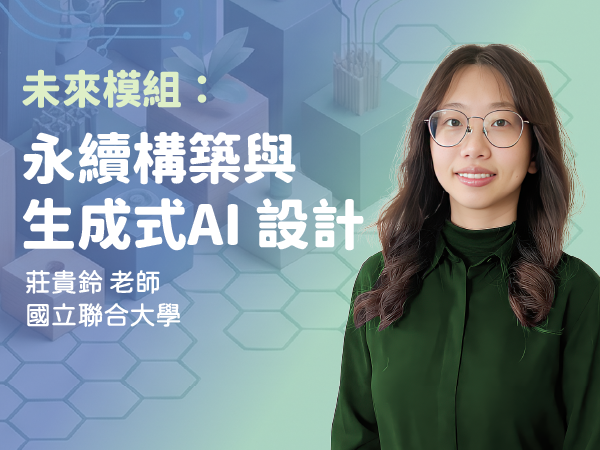 清大製作 NTHU
自學課程-未來模組:永續構築與生成式AI設計 (FT. 國立聯合大學)
 AI for Social Professionals
 Designing Human-Centred AI Products and Services
自學課程-未來模組:永續構築與生成式AI設計 (FT. 國立聯合大學)
清華磨課師自學課程,與國立聯合大學合作。以模組系統設計與生成式 AI 輔助為核心,介紹建築永續構築趨勢、模組系統幾何邏輯、參數化建模工具,以及生成式 AI 在設計概念發展與視覺表現的應用,最後以案例分析與設計實作整合所學。
Co-developed with National United University. Centres on modular system design assisted by generative AI: sustainable construction trends, the geometric logic of modular systems, parametric modelling tools, and generative AI for design concepts and visualisation, ending with case studies and a design project.
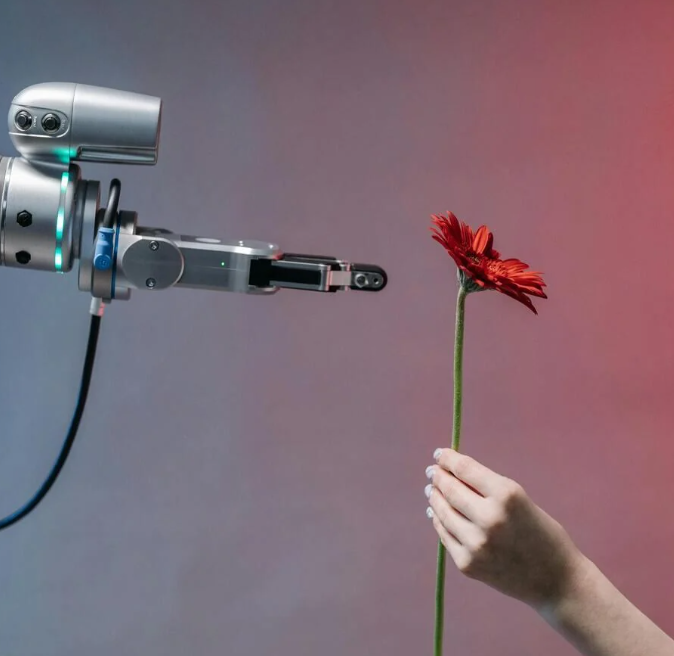
AI for Social Professionals
比利時 Vives 應用科技大學開設,協助社工、心理等社會服務專業人員負責任地運用 AI 工具。課程探討 AI 如何改善個案照護與服務流程,同時兼顧倫理標準,讓學習者在新興科技中做出合宜的專業判斷。
Helps social workers, psychologists and other social-care professionals use AI tools responsibly, improving client care and service processes while upholding ethical standards.
Designing Human-Centred AI Products and Services
韓國漢陽大學開設,從人機互動(HCI)的角度探討如何讓 AI 對所有人都有用。課程分析以資料為中心的 AI 所帶來的偏誤與不平等,並說明如何以 HCI 方法重新定義「以人為本的 AI」,設計協作式 AI 產品與服務。
Approaches AI from the perspective of human–computer interaction (HCI): analyses the bias and inequality created by data-centric AI and shows how HCI methods can redefine human-centred AI and guide the design of collaborative AI products and services.
沒有符合條件的課程,請調整篩選。
No courses match these filters.
須知Notes
- 這些是自學課程,修完不會取得學分。想修有學分的線上課程,請在每學期選課系統中找標有「磨課師」的課。These are self-study courses and do not carry credit. For credit-bearing online courses, look for courses marked “磨課師” (MOOCs) in the course-selection system each semester.
- 關於 TAICA:「臺灣大專院校人工智慧學程聯盟」由教育部成立,113 學年度第 2 學期起已有臺灣大學等 55 所大專校院加入,整合各校人工智慧師資與教學資源,提供跨校 AI 課程。頁面上標示「TAICA」的課程屬於聯盟課程,放在清華磨課師平台上供修讀。聯盟網站:taicatw.netAbout TAICA: the Taiwan Artificial Intelligence College Alliance was set up by the Ministry of Education. From the second semester of the 2024 academic year, 55 institutions including National Taiwan University have joined, pooling AI faculty and teaching resources to offer intercollegiate AI courses. Courses marked “TAICA” belong to the alliance and are available on NTHU MOOCs. Alliance website: taicatw.net
- 清華磨課師:在 mooc.nthu.edu.tw 註冊後即可選課。修完可申請 AI 學習履歷,部分課程需付費,請見各課說明。NTHU MOOCs: register at mooc.nthu.edu.tw to enrol. On completion you can apply for an AI Learning Portfolio; some courses charge a fee.
- FutureLearn:本校師生的帳號申請方式,請見教發中心網站「線上學習 › FutureLearn」。FutureLearn: see the CTLD website (Online Learning › FutureLearn) for how NTHU students and staff get an account.
- 修課與認列規定以教發中心公告為準;清華磨課師課程的英文名稱為參考翻譯。CTLD announcements take precedence. English titles of NTHU MOOCs are reference translations.